Easter Bunny Ears SVG: A Practical Embroidery Designer’s Review
When I first opened the Easter Bunny Ears SVG file, I immediately got that springtime craft vibe — playful, nostalgic, and just detailed enough to feel special without being overwhelming. As someone who regularly works with embroidery files for custom apparel, baby items, and Etsy-style handmade products, I wanted to test how well this design would translate from digital file to stitched reality.
First Impressions: Cute, But Can It Carry a Project?
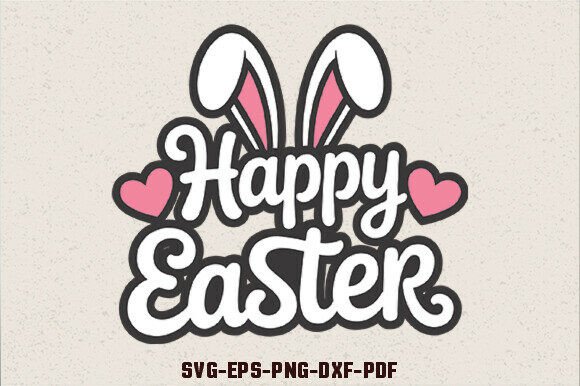
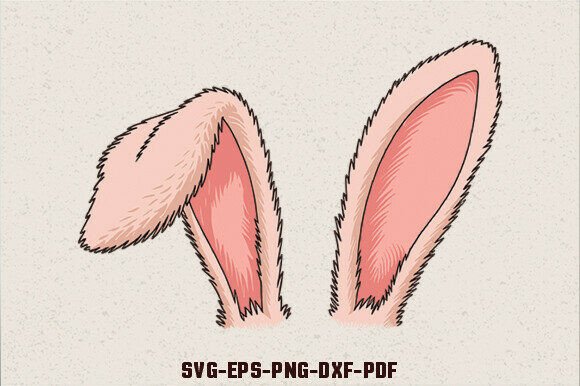
The Easter Bunny Ears SVG has a soft retro charm. The bunny ears are rounded and friendly, with subtle detailing that suggests a hand-drawn aesthetic rather than a sharp digital cutout. It's the kind of design that could easily work on a boutique tote bag, a boutique sweatshirt, or even a personalized baby onesie. The layout feels balanced, and the visual personality leans more toward whimsical than overly commercial — which is a plus if you're aiming for a handmade, boutique-style product.
I could already picture it stitched onto a linen tea towel for a holiday gift set or as a focal point on a denim cap for a seasonal craft fair booth. But the real question is: does it hold up under the needle?
Real-Life Embroidery Test: From File to Fabric
I decided to test the Easter Bunny Ears SVG on a few different materials to see how it would stitch out. I started with a medium-weight cotton tote bag — a common item for Etsy sellers and craft entrepreneurs. The design stitched cleanly, with no obvious thread breaks or distortion. The satin borders held up well, and the fill stitches were dense enough to look finished without feeling stiff.
Next, I tried it on a stretchy cotton-blend sweatshirt fabric. Here, I made sure to use a lightweight cutaway stabilizer. The design held up, but I noticed that the more detailed inner ear areas pulled slightly on the stretchy weave. A quick tension adjustment helped, and the final result was still presentable — especially for a casual, seasonal item.
I also tested it on a baby onesie. Given the small hoop sizes often required for baby clothes, I scaled the design down a bit. At this size, some of the finer details started to blur — especially the inner ear textures. It was still recognizable, but I’d recommend using this SVG on slightly larger baby items like burp cloths or bibs to preserve clarity.
Where This Design Works Best (And Where to Be Cautious)
From my experience, the Easter Bunny Ears SVG shines on flat, stable fabrics like cotton, linen, and light denim. It’s a solid choice for:
- Custom embroidered tote bags
- Seasonal sweatshirts and hoodies
- Boutique-style kitchen towels
- Pillow covers for nursery or holiday decor
- Applique patches for craft kits or Etsy listings
It also has potential as a digital embroidery file for small business owners selling personalized Easter gifts — especially when paired with a coordinating quote or name embroidery.
However, I’d be cautious when using it on:
- Thin or flimsy fabrics (like gauze or sheer linen), where the stitch density might cause puckering
- Curved surfaces like baseball caps, where distortion can occur
- Dark-colored materials without testing thread contrast first
- Layered garments like jackets or hoodies, where the design might sink into the fabric
- Small hoop embroidery machines, where scaling down may compromise detail
Visual Appeal and Customer Perception
One thing I’ve learned over the years is that a design’s visual appeal doesn’t just come from its look — it’s about how it enhances the product and the buyer’s experience. The Easter Bunny Ears SVG adds a touch of seasonal charm that customers expect from handmade Easter items. It reads as friendly and approachable, which is key for personalized gifts and boutique products.
If you're using this in a commercial embroidery setting — say, for a local shop’s Easter-themed merchandise — the design’s clarity and recognizable theme help build trust. Customers know what they’re getting, and the retro aesthetic gives it that extra handmade edge that Etsy shoppers and craft fair browsers love.
I also tested a black-and-white mockup of the design on a printable mockup platform. Even in grayscale, the bunny ears remained visually distinct, which is important for digital product sellers offering previews or design bundles.
Here are a few quick notes I jotted down during my test runs:
- Always test the Easter Bunny Ears SVG on scrap fabric before stitching on your final product, especially if you're using it on a new fabric type.
- Pay attention to thread color contrast — especially if you're stitching it on a pastel or dark background.
- Check stitch density — it’s balanced for most cottons, but may need thinning slightly for stretchy fabrics.
- Make sure the hoop size fits your machine, especially if you're planning to use it on smaller items like baby onesies.
- Inspect small details like inner ear textures to ensure they stitch cleanly at your intended size.
- Use the right stabilizer — especially for stretchy or textured fabrics.
- If you're selling finished items or digital embroidery files, always confirm the licensing terms included in the ZIP file.
Final Thoughts: A Seasonal Staple for Craft Entrepreneurs
Overall, the Easter Bunny Ears SVG is a solid addition to any seasonal embroidery toolkit. It’s versatile enough for a variety of projects — from custom apparel to digital product bundles — and its nostalgic, hand-drawn feel gives it a unique edge in a market full of generic Easter graphics.
For small business owners and Etsy sellers, this design offers a quick, recognizable way to add value to your handmade products without overcomplicating the stitching process. It’s not overly technical, but it still carries that boutique charm that customers look for in personalized, seasonal items.
If you're looking for a reliable Easter embroidery file that stitches well, looks good on a variety of products, and brings a touch of playful nostalgia to your offerings, the Easter Bunny Ears SVG is definitely worth considering. Just remember to test, adjust, and plan your fabric and thread choices carefully — and you’ll have a finished product that looks as good as it stitches.